

SLUMCUTS · Big Q&A
Introducing Sertave
Sertave
The Caudex producer and mix engineer on drum & bass, mastering and the Aotearoa underground.
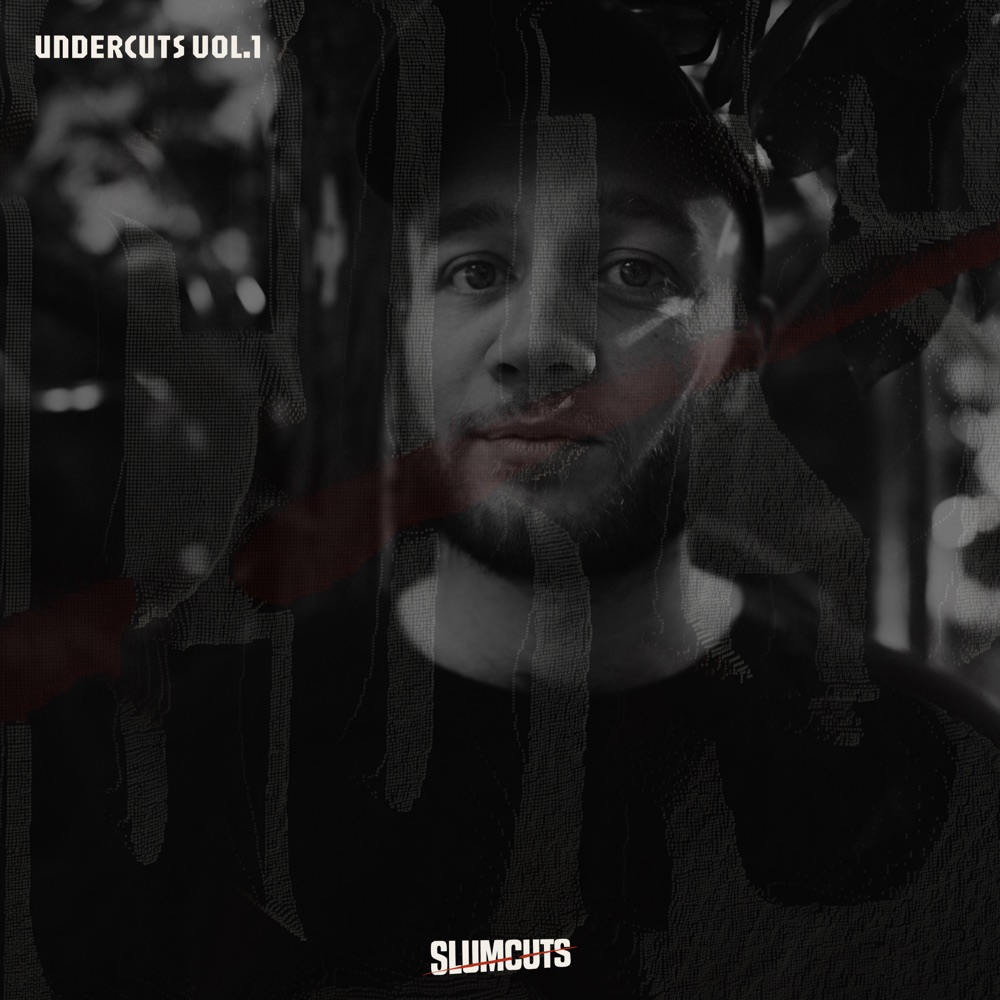
Caudex
Caudex picks up the tempo with tight, skittering percussion accompanying a rolling bassline over a spacious, expansive terrain. Highlighting his adept ability for techy production steeped in gritty atmosphere, the track almost feels conjured from another realm as it unfolds over its near five-minute runtime, plunging the listener into its arcane sonic depths.
Listen to CaudexInterview
Sertave is a New Zealand producer, and one of the label’s go-to mix and mastering engineers, focused on deep, spacious drum & bass and halftime. Expect tight, clean production with a darkly ethereal atmosphere: rolling basslines, weighty sound design and plenty of ear candy. Fresh off his Umberroot EP on Samsara Beats, he lands on Undercuts Vol.1 with “Caudex”.
We sat down for a big Q&A about drum & bass, the studio, and the state of the Aotearoa underground.
How did you find your way into the scene and making music?
“Initially I started producing 140 until Slumcut’s head-honcho introduced me to the world of drum and bass production, namely Noisia, Phace and Misanthrop. From that point on I primarily focused on drum and bass. My first introduction to the scene was the Wairoa Gorge festivals, where minimal and funk-focused drum and bass was common, with labels like Dispatch Recordings heavily influencing DJs’ tune selections at the time.
Around the same time I started attending festivals in Golden Bay and was always drawn to the sub pressure and intricate drum work, which became a huge influence and still is to this day. There’s nothing quite like coming home from a festival inspired and ready to write. I always try to make a tune the day I get back while the energy is still fresh. With so many incredible selectors playing true heat, it’s hard not to come home wanting to get straight into the studio.”
You’re known for some fine mix downs and masters. What’s the secret sauce?
“Being as transparent as possible to preserve the artist’s original intention and vision is key. You obviously want to enhance the signal, but it needs to stay true to what they were aiming for. Analog-modelled plug-ins based on sought-after hardware really do live up to the hype these days, making a lot of industry-standard mastering techniques accessible in software, which wasn’t always the case.
I also think it’s important not to rely on a single plug-in to do all the heavy lifting. Every processor should have a purpose and be moving the tune closer to the final result in small, deliberate steps, which gives you far more transparency and control over the outcome. Keeping the transients at the front of the tune is just one example of that, making sure they aren’t lost through processing. By the end of the mastering chain, the tune should sound like the original, just enhanced. It’s easy to over-process something for the sake of it, and every tune needs its own tailored approach.
I’d recommend something like StageOne 2 for controlling and widening the stereo field. It’s a great tool for adding space while keeping the image balanced.
A mastering tip I’d give is to watch your attack settings on your dynamics processors. Early in the chain, opening up the attack on your compressor can help preserve those important transients and keep the punch of the drums intact. Towards the end of the chain, especially on your final limiter, a faster attack can help control the overall output and bring the track forward. The key is finding that balance where you get more level without taking away the life and movement of the mix.
StageOne 2 is from Leapwing Audio, some of the cleanest and most powerful mastering plugins in the game.”
Who are your NZ / Aotearoa inspirations, and what’s your read on the underground right now?
“Auckland/UK-based Cern has been a longtime drum and bass influence, alongside Akcept, and Headland on the 140 side.
I think the underground is healthy and moving in the right direction, but rising costs are definitely putting pressure on venues and festival organisers. If we want the scene to keep growing, it’s important we continue supporting the people putting these events on.
As for artists to keep an eye on, there’s some amazing producers coming through at the moment, namely LUNA, Kultiv, Nevermind, TENGUU, Tobias Glitch, YAKKA, Ayaluna, Rimutree, and Shankara (alongside his Weka Tek project), as well as some big guns further north like Reasxn and Caru. There are plenty more I could mention, but that’s a handful of people on my radar right now.”
Where do you want to take your sound from here?
“With drum and bass, I’m hoping to find the balance of the psy-oriented sound design I’m chasing within deep minimal. I love minimal and aim to make it as immersive and psychedelic as possible while still keeping it deep and groove-driven. I’m also exploring other genres and have a number of things brewing in the 140, bass, glitch and halftime realms that follow a similar ethos to my take on minimal.”