

SLUMCUTS · Interview
Introducing Guzzy
Guzzy
A conversation with the Kalintura producer on culture, community and where his sound is heading.
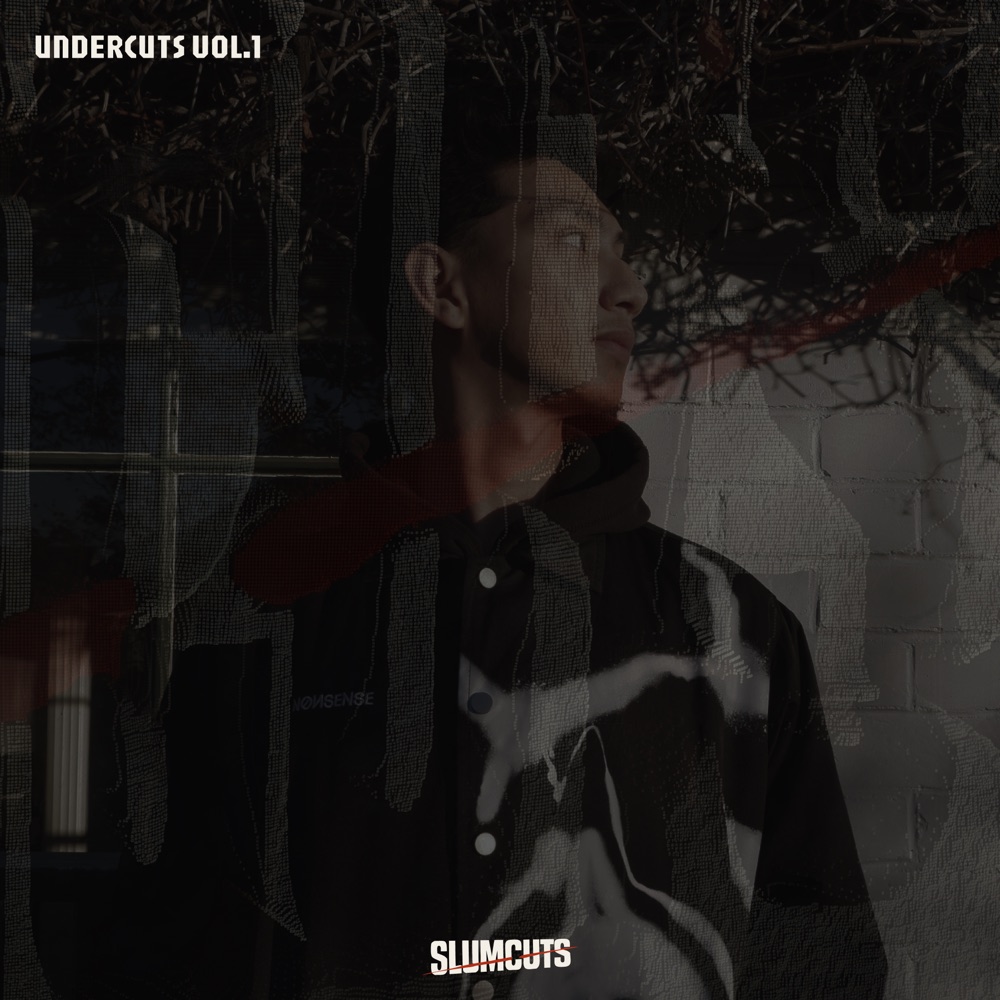
Kalintura
Kalintura takes its name from the Filipino word for fever or heat, shaping the track around a sense of rising temperature and urgency. It moves with sharp drums, dark momentum, and a physical club energy, aiming to feel intense, humid, and slightly unstable in the best way.
Listen to KalinturaInterview
An introduction to Guzzy, the Filipino-born, Aotearoa-based producer behind “Kalintura” on Undercuts Vol.1, and his all-local Locals mix.
Being from the Philippines, how has the Aotearoa underground shaped your sound?
“Being born and raised in the Philippines, I came into it with my own influences and sounds, stuff that was a bit different to what was already here. What I’ve found with the Aotearoa underground is that it’s built on community, and that means a unique flavour actually gets appreciated rather than smoothed out. It gave me a personal reason to make music: to put different sound waves out there for people to express themselves through, on the dancefloor and in the community.”
Who are your NZ / Aotearoa inspirations?
“I love music in all shapes and forms, so any New Zealand producer or musician inspires how I approach it.”
“Every producer in my mix is one to keep an eye on from my perspective (Goose, Nevermind, Rimutree, Scuzmo, Invalid ID, Caru, Brandn Shiraz, Paz, Jousey…). Not only are they my homies, they’re seriously talented and skilled artists contributing heavily to Aotearoa’s underground and how it gets shaped going forwards.”
Finally, where is your sound going?
“Right now, my sound is leaning into blending different genres and styles that I stumble upon. It’s also being heavily influenced by my Filipino culture, so I try to incorporate the culture’s energetic and chaotic rhythms to my craft.
I’m glad that my sound is constantly evolving and changing rather than staying in one lane. It helps me discover different artists and be heavily influenced by their approach in music.
But, I do love 160, it was my gateway into dance music, especially footwork; it’s a sub-culture of its own that breaks boundaries. It isn’t tied to one genre, so artists can fully express their creativity across a wide range of sounds and styles.”